Continuing Education & Professional Development
Accredited learning experiences taught by top experts helping clinicians stay current and meet license requirements
Find Out MoreAccredited learning experiences taught by top experts helping clinicians stay current and meet license requirements
Find Out MoreCourses & resources providing the confidence to help student pass their board exams and practicing clinicians pass advanced certification exams
Find Out MoreAccredited programs for getting certified as a personal trainer & other fitness/nutrition specialties
Get CertifiedSummit is convenient and an easy way to get your CEUs.
The latest industry news and guides curated by our expert team.
Tune in for engaging discussions on important topics to you and your patients.
Meet the experts
(800) 433-9570
Get more from your CE than simply meeting requirements. Learn new therapies and techniques that are tailored to your daily practice and your patient's needs.
NOVEMBER 13-15, 2025
A once-a-year, 3-day virtual CE conference for Neuro, Ortho and Pediatric professionals who want more from CE.
Join live from anywhere. Attend one session or all nine. Earn up to 19 CE hours

Course Topics
Expect a fully immersive experience that blends cutting-edge research, practical application, and interactive discussions.
Thursday November 13, 2025 5:30pm – 7:30pm
Tired of the same old approach to rehabilitation with complex patients? Discover how dual-task interventions can transform rehabilitation for complex neurological conditions. Clinicians will gain practical, evidence-based strategies to seamlessly integrate dual task training into real-world therapy, accelerating functional independence and patient confidence.
Tracy Flemming-Tracy
OT/L, MSCS, PhD(c)
Thursday November 13, 2025 12:30pm – 2:30pm
Unlock better outcomes in neurorehabilitation by applying cutting-edge insights from the OPTIMAL theory of motor learning. Learn strategies that enhance patient autonomy and boost motivation, leading to lasting improvements in balance, mobility, and daily function.
Geoff Mosley
PT, DPT, NCS
Thursday November 13, 2025 3:00pm – 5:00pm
Are you tired and frustrated with patients who present with inconsistent symptoms that just don't seem to get better? Join us for a course on Functional Movement Disorder and gain the tools you need to effectively treat this misunderstood diagnosis.
Meredith Roberts Lo
PT, DPT
Friday November 14, 2025 10:00am – 12:00pm
Build stronger outcomes for pediatric athletes with evidence-based strength training strategies that improve recovery, reduce injury risk, and support long-term development.
Hannah Jasurda
PT, DPT, OCS
Friday November 14, 2025 12:30pm – 2:30pm
What if presence matters more than protocol? In pediatric therapy, connection fuels regulation, resilience, and real outcomes. Learn how to use relational strategies that make your work more effective and meaningful.
Nisha Sanghvi
OTR/L
Friday November 14, 2025 3:00pm – 5:00pm
Boost functional outcomes by learning how to improve patient adherence through shared decision-making, health literacy strategies, and motivational interviewing.
Amy Shevlin
PT, MS, DPT, GCS
Saturday November 15, 2025 10:00am – 1:15pm
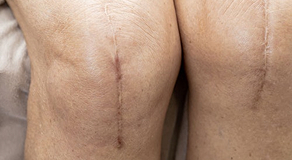
This course will cover the latest research-based treatment recommendations to help you improve patient outcomes, decrease pain and improve your patients’ functional abilities following THA and TKA.
Shana Carter
PT, DPT, OCS, UDN-C, EDD
Saturday November 15, 2025 2:00pm – 4:00pm
Learn how to identify, evaluate, and design interventions within the educational model of delivery of services for students with low vision.
Subah Gupta
MHS, OTR/L, SCLV, CBIS
Saturday November 15, 2025 4:30pm – 6:30pm
Deliver better outcomes for patients with elbow injuries using evidence-based manual therapy, exercise, and activity modification strategies.
Catherine Valentino
OTD, OTR/L, MS, MAAL, BS, FMT
SUMMIT VIRTUAL CONFERENCE
This isn’t just another conference—it’s a high-impact, 3-day learning experience built to sharpen your skills and keep you at the forefront of care.
Leave with more than just knowledge, walk away with confidence, strategies, and connections that will help you improve patient outcomes immediately.
Sessions tailored for professionals in Neurology, Orthopedics, and Pediatrics—led by experts who live and breathe these specialties. Get the latest research, proven techniques, and clinical strategies that translate directly to your work.
Our Instructors
Learn from top-tier rehab professionals who are shaping best practices in neuro, ortho, and pediatric care, delivering methods that actually work in real-world settings.
Event Pathways
Engage directly with instructors through interactive webinars designed for real-time application. Participate in polls, Q&A, and live demos, like you're in the room.
Course Details
Actionable tools and insights that elevate care and outcomes.
Course Details
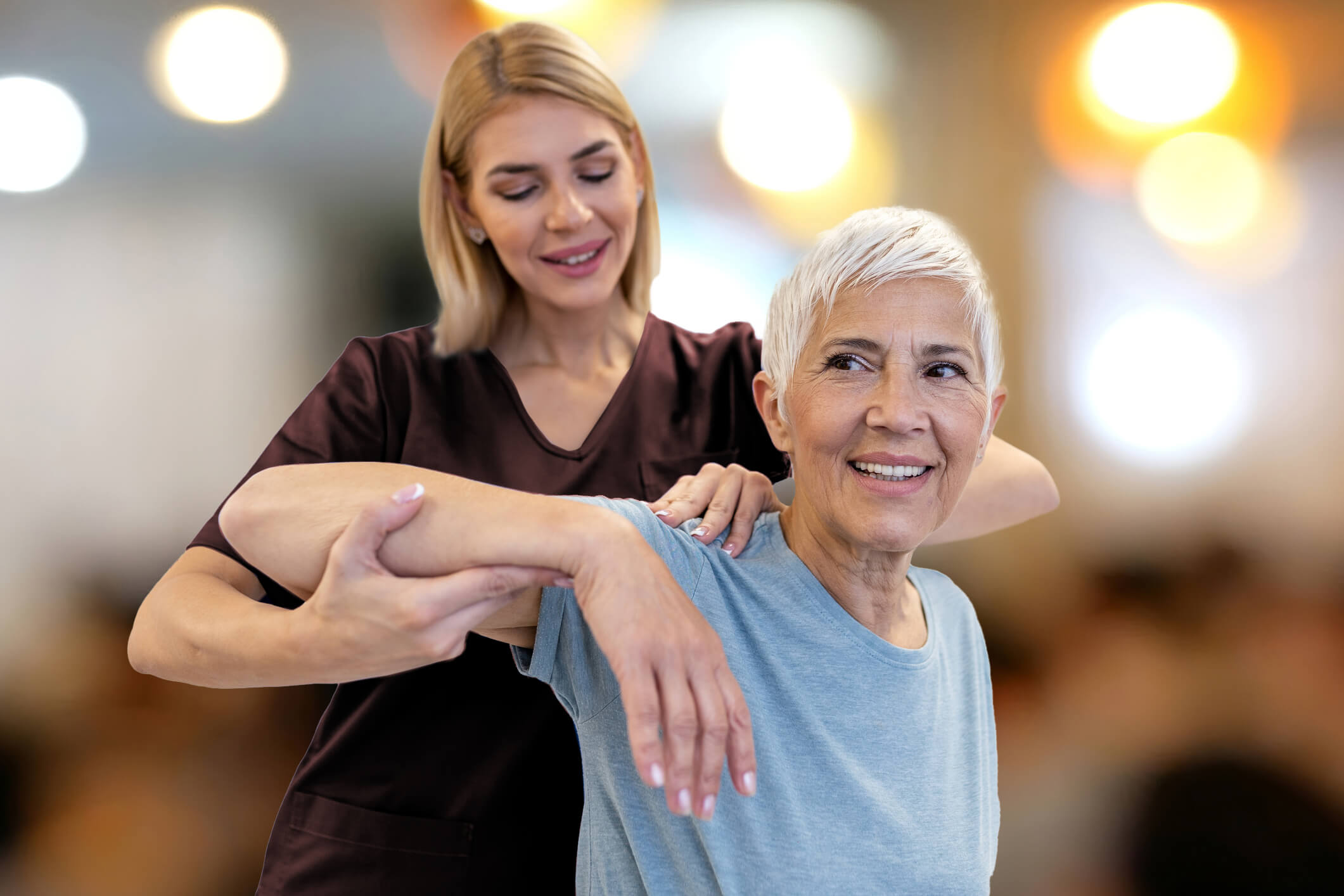
This once-a-year event is built for clinicians who want to stay sharp, lead with confidence, and deliver better outcomes in neuro, ortho, or pediatric rehab. Seats are limited, don’t wait.
module
This event is led by nationally respected clinicians and researchers shaping the future of Neurologic, Orthopedic, and Pediatric rehabilitation.
Tracy Flemming-Tracy
OT/L, MSCS, PhD(c)
Healthcare inclusion specialist within the National Center on Health, Physical Activity and Disability. She is also a licensed occupational therapist, multiple sclerosis clinical specialist, and a PhD candidate in the School of Health Professions at the University of Alabama at Birmingham.
Read More...
Geoff Mosley
PT, DPT, NCS
Licensed physical therapist since 1997, when he graduated from the University of Missouri Columbia. He has been board certified in neurological physical therapy from the American Physical Therapy Association Board of Specialties since 2001.
Read More...
Meredith Roberts Lo
PT, DPT
Specializing in neurorehabilitation since 2005. Her passion for working with the Parkinson's community began with a class on Parkinson's Wellness Recovery or PWR! where she learned the art and science behind treating this unique group.
Read More...Hannah Jasurda
PT, DPT, OCS
Physical therapist within the sports Physical Therapy Department of Phoenix Children's Hospital. Hannah is a 2017 graduate of the Doctor of Physical Therapy program from Duke University and a 2018 graduate from the Orthopedic Residency program at Cincinnati Children's Hospital Medical Center.
Read More...
Nisha Sanghvi
OTR/L
Occupational therapist with 25 years of pediatric experience across hospitals, clinics, schools, and home/community-based settings.
Read More...
Amy Shevlin
OPT, MS, DPT, GCS
Physical therapist with over 22 years of experience. She has worked in a variety of settings including acute care, inpatient rehab, skilled nursing facilities, outpatient therapy clinics, and home health care.
Read More...
Shana Carter
PT, DPT, OCS, UDN-C, EDD
Owns a mobile cash-based practice in the Florida Panhandle where she completes in-home assessment and treatment for patients including ergonomic setup, musculoskeletal injuries, CVA, and TBI injuries.
Read More...
Subah Gupta
MHS, OTR/L, SCLV, CBIS
Sensory integration and brain injury certified therapist who recently also received AOTA's Specialty Certification in Low Vision (SCLV). She has been a practicing clinician for 25 years.
Read More...
Catherine Valentino
OTD, OTR/L, MS, MAAL, BS, FMT
Occupational Therapist with an extensive history treating and educating on dementias and neurological disorders.
Read More...EVENT SCHEDULE
Nov 13, 2025 | 5:30pm - 7:30pm EST
Dual tasking is the capacity to perform a second task simultaneously and is incorporated into many activities of daily living (ADLs). The ability to perform gait and balance tasks requires cognition tasks of attention, processing speed, and memory. The deficits in central sensory integration and cognitive-motor interference (CMI) can result in both impaired postural control and performance decrement to either the motor or cognitive task performed. It is believed that motor and cognitive impairments lead to a higher incidence of falls during ADLs in the neurologically impaired population as well as a decline in quality of life. Traditional strengthening and coordination exercises performed during therapy may not adequately prepare the person for these complex conditions to return to community living which is steep in tasks requiring dual tasking. Dual-task training has been proven to enhance neuroplasticity and balance in neurological diseases. This course will provide evidence-based practice guidelines for the use of dual-tasking as an intervention for patients living with neurological diseases or conditions.
Nov 13, 2025 | 12:30pm - 2:30pm EST
As therapists, we often wonder if there is more we can do for significantly impaired patients. The latest evidence in motor learning informs us how we empower and encourage patients can often have a significant impact on functional outcomes beyond the usual intervention strategies we employ in the clinic. Evidence has shown neuroplastic changes in the nervous system of those with central nervous system injury (stroke, traumatic brain injury (TBI), neurodegenerative diseases) can occur with enhanced learning strategies.This course will utilize the latest evidence to help you optimize patient outcomes with the application of motorlearning principles including reinforcement, autonomy support, and external focus of control. These principles will enable you to better engage your patients in therapy and enhance their ability to improve and master task performance by usingcontemporary evidence on psychological motivators as well as neurophysiologic drivers of learning. By the end of this course, participants will be able to improve outcomes for your patients with neurological impairment by improvingparticipation and motivation in therapy sessions, enhancing motor learning and skill mastery, and helping to ensurecarryover and long-term compliance long afterdischarge.
Nov 13, 2025 | 3:00pm - 5:00pm EST
Many of us "grew up" in the therapy world having a basic understanding of conversion disorder and have worked with patients where it feels obvious to us that the patient's movement problems are not consistent with the diagnosis they have been given. It may feel like they are "faking it".These patients are often frustrating and difficult to treat with positive outcomes, leading to therapist burnout. We often don't have the tools we need to be effective. Emerging research and an increase in appropriate diagnoses of functional movement disorder (FMD) has helped us identify and treat this very real diagnosis. Join us to fill your toolbox with diagnosis and treatment techniques that will allow you to get very real and positive outcomes with this challenging patient population.This course will enhance your differential diagnosis skills around FMD and provide you with practical treatment constructs and ideas that you can put into your patient carethe next day. This course includes case studies and video examples to promote learning. After taking this course you will be able to provide your patient population with FMD treatment that will help them get better faster and stay better without frustration and burnout on your end.
Nov 15, 2025 | 10:00am - 1:15pm EST
Currently, numerous research studies support the use of physical therapy following total joint replacement surgery. However, much of the available research is considered to be low level evidence, and there is limited information identifying the most effective rehabilitation techniques for improving patient outcomes and reducing post-operative pain (Konnyu et al., 2022). This course aims to address these gaps by comparing clinical approaches for post-total joint replacement treatment with evidence-based practices, while also offeringpractical strategies rooted in evidence-based practice (EBP). Participants will delve into applications of various treatment concepts—including cognitive behavioral therapy, dry needling, and manual therapy—to enhance individual patient outcomes, particularly in complex cases where traditional rehabilitation approaches may fall short. In an era where clinicians strive to deliver care tailored to each patient,rather than relying on a one-size-fits-all method, this course equips providers with user-friendly tools to customize treatment plans effectively.This course will explore current evidence-based treatmentapproaches for clinicians across various settings, with a focus on managing post-operative pain, improving patient prognosis, and enhancing functional abilities throughout different stages of recovery. Participants will engage in multiple case studies and receive a variety of home exerciseprograms (HEPs) tailored to patients who have undergonetotal joint replacement. These hands-on experiences aredesigned to deepen understanding of evidence-basedtreatment options that effectively reduce pain and improve patient outcomes. Additionally, attendees will review and compare current clinical practices with evidence-based strategies for treating post-total joint replacement patients. Bythe end of the workshop, clinicians will return to their practicewith enhanced knowledge of treatment techniques, including manual therapy, therapeutic activities, therapeutic exercise, pain management strategies, and dry needling, equipping them to elevate their current approaches to care.
Nov 14, 2025 | 3:00pm - 5:00pm EST
Patient adherence continues to be a frustrating problem for healthcare professionals. Not only is it frustrating fortherapy clinicians, but we also know that non-adherence increases healthcare costs by increasing the amount of care our patients require and by increasing the rate of hospital admissions. Clinicians and organizations are always looking for methods to increase patient engagement and adherence. It is known that when we allow our patients to collaborate in healthcare decisions, we can improve patient engagementand adherence. Research shows that therapy clinicians place value in collaborating in health care decisions with their patients, but there is limited evidence of this being placed intopractice. In fact, a recent study demonstrated only 5% of initial therapy consultations incorporated shared patient- clinician decision-making techniques. This course will discuss strategies that therapy clinicians can use to improve shareddecision-making with patients. By increasing patient engagement and patient healthcare literacy, we can improve our patients' ability to become more proactive in self-management strategies.
Nov 15, 2025 | 4:30pm - 6:30pm EST
With elbow injury and dysfunctions increasing through leisure and occupational injury incidents, there is a significantpublic health concern related to these conditions. Although typically associated with sports injury elbow dysfunction iscommon due to high repetition occupational tasks and activities dependent on repetitive fine motor functions (Lenior et al, 2019). This course will bridge the most up to date treatment strategies and recommendations emerging from research with next day application for immediate use inclinical settings. Moreover, through the application ofeffective and current treatment recommendations you will be better equipped to address your patients' functional deficits, document progress, and develop post-rehabilitation plans forcarry over to reduce the commonly experienced reoccurring nature of elbow dysfunctions.This course will provide attendees with current and evidence-based treatment strategies for a variety of elbow injuries. Following this course, practitioners will be able to utilize treatment techniques next day in the clinic to enhance outcomes and return to function for their clients. Through avariety of live demo, videography, and case study examples attendees will develop the knowledge and skills to apply treatment techniques presented. As attendees return to theirclinical settings, they will be able to apply treatment and outcome measurement techniques to promote both functional gains and post-discharge carry-over for their clients with elbow dysfunction.
Nov 14, 2025 | 10:00am - 12:00pm EST
Effective rehabilitation in the pediatric athlete population has several considerations that need to be understood to provide evidence-based care. In addition, strength training with the pediatric population has been widely underutilized in the rehabilitation setting. This course will provide participantswith the skills and knowledge to immediately apply exercise dosing principles to their pediatric patient population. Participants will also be provided with evidence-based information on busting common myths regarding strength training, the benefits of participating, and the harm of notparticipating in strength training as a pediatric patient. Clinicians treating the pediatric population have an excellent opportunity to expose these patients to foundational skills needed to rehabilitate from injury, prevent future injury, and set them up with tools for a more active future.
Nov 14, 2025 | 12:30pm - 2:30pm EST
Over 80% of a child's brain development occurs by age three and 90% occurs by age five. Children's formative years are shaped by the quality of early relationships and have a lasting impact on learning, behavior, and life-long well-being. In this dynamic presentation, pediatric therapists will explore how to align their work with the science of connection through discussion, reflection, and actionable tools. Participants will learn strategies to create warm, nurturingenvironments that provide safety and security; partner with families and caregivers in meaningful and culturally responsive ways; and integrate reflective practices to deepen the impact of achieving developmental outcomes while supporting their own professional well-being. Take this course to re-energize your drive in supporting early development through emotionally responsive care.The content of this program is germane to children, students and clients ages birth-5 years old.
Nov 15, 2025 | 2:00pm - 4:00pm EST
Visual deficits often get masked as cognitive deficits where poor academic performance is blamed on lack of motivation and attention. This course highlights the case study of a high schooler with visual deficits as she handlesher academic demands in high school. The course teaches clinical observations, visual screenings, evaluation, and treatment interventions that can be implemented not only in the outpatient therapy setting but also within the classroom. The attendee will be able to address these visual deficits and add tools to improve academic engagement and self-confidence.
Pricing
With a subscription, you’ll have unlimited access to the continuing education you need — online, live, and in person. Choose the plan that fits your learning style and earn CE credits with flexible, high-quality courses designed for rehab professionals.
Virtual Access
$ 309.99
Unlimited access to:
All Access
$ 329.99
Unlimited access to:
We provide high-quality, accredited continuing education for Physical Therapists, Physical Therapist Assistants, Occupational Therapists and Occupational Therapy Assistants. With a commitment to cutting-edge learning and real-world application, we deliver expert-led courses designed to enhance clinical skills and improve patient outcomes.
Got Questions? We've Got Answers.
The conference runs November 13–15, 2025, with 9 live webinars spanning three days.
This event is designed for rehab professionals specializing in Neurology, Orthopedics, and Pediatrics, including PTs, OTs, SLPs, and ATCs.
Nope. You choose what works for you. Attend one, a few, or all nine. Every session is live and led by an expert, you’ll earn CE for each course you complete.
You can earn up to 19 hours of live continuing education credit by attending all sessions.
Yes. These are live, virtual, instructor-led sessions. You’ll be able to ask questions, engage in polls, and interact just like an in-person workshop.
Yes
You’ll learn from leading clinicians and researchers, including board-certified specialists and doctoral-level instructors with years of hands-on clinical experience.
If you register with an All Access or Virtual Subscription, you can attend any or all of these courses.