Quick answer
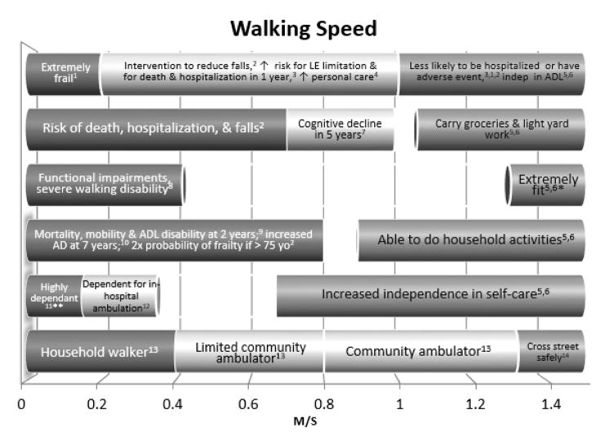
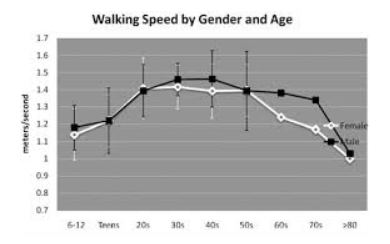
Gait speed is such a significant indicator of health that it is recognized as a “vital sign”. Research shows that slower walking speeds are linked to higher fall risk, functional decline, hospitalization, and mortality. Conversely, improving gait speed can enhance balance, endurance, and overall patient confidence. (Middleton, Fritz & Lusardi, 2015) The imperative question for the clinician is how to best improve gait speed given the wide array of clinical settings and presentations that we see in the course of our workday.
Written by: Paul Frizelle PT DPT, MS, MTC, AIB VR, NASM PES, NASM CES
Why Gait Speed Matters
When considering mobility, function, and overall quality of life, the one measure that may best capture all of these is the ability to walk. Gait speed is such a significant indicator of health that it is recognized as a “vital sign”. Research shows that slower walking speeds are linked to higher fall risk, functional decline, hospitalization, and mortality. Conversely, improving gait speed can enhance balance, endurance, and overall patient confidence. (Middleton, Fritz & Lusardi, 2015) The imperative question for the clinician is how to best improve gait speed given the wide array of clinical settings and presentations that we see in the course of our workday.
Challenges in Improving Gait Speed
As a practicing rehab clinician, I have found the assessment and progression of gait speed to be a clinical challenge. There is no one protocol to turn to for assistance. The idea that just building strength will improve gait speed is also a fallacy. Walking requires a unique combination of neuromuscular control, mobility, and muscle strength/power. Further challenges to increasing gait speed can be seen in working with the acute patient, with the limited space/resources of home health, or in the extremely debilitated patient.
Advances in Assessing Gait Speed
Assessing gait speed has also changed with technological innovations. Possibly the most frequently used clinical measure to assess gait speed is the 10 Meter Walk test. Wearables such as the Garmin and Apple watches, along with most phones, have the capability to track walking speed. There are even “smart” joint replacements on the market that have Bluetooth-capable chips within the device, which provide information related to stride length, gait speed, and step count. These options have helped to change the process of gait speed assessment. I have personally worked with 2 patients who had this type of knee replacement, and it was an excellent way to assess the effectiveness of rehabilitation for improving gait speed on a day-to-day basis.
Course Overview: Optimizing Gait Speed in Rehabilitation
The course “Optimizing Gait Speed in Rehabilitation” is a 2-hour On-Demand video designed to help rehabilitation clinicians find and implement clinically meaningful interventions to help a wide array of patients improve their gait speed. The goals of the course are to go beyond reviews of the evidence into how this applies in the clinical setting, along with tools to implement immediately with your patients. I hope that you will have the opportunity to attend the course and find tools that you can use in your setting to help you improve your patients’ sixth vital sign.