


Effective management of heart failure often involves a combination of medical treatment and lifestyle modifications, including rehabilitation and physical therapy. This blog post explores the prevalence of heart failure , its impact on hospital admissions, the role of frailty, and the benefits of high-intensity interval training (HIIT) in managing this condition.
Heart failure (HF) is a significant public health issue in the United States, affecting millions of individuals and imposing a substantial burden on the healthcare system. Effective management of heart failure often involves a combination of medical treatment and lifestyle modifications, including rehabilitation and physical therapy. This blog post explores the prevalence of heart failure, its impact on hospital admissions, the role of frailty, and the benefits of high-intensity interval training (HIIT) in managing this condition.
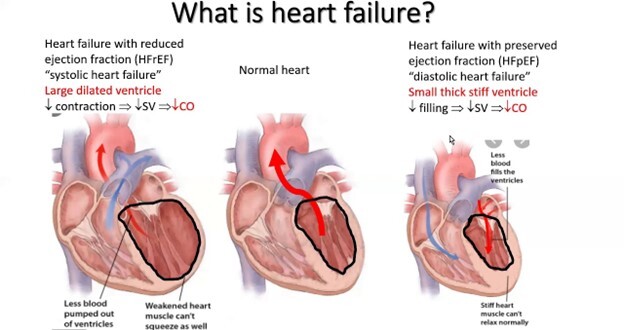
Prevalence of Heart Failure in the United States
As of recent data, approximately 6.2 million adults in the United States have heart failure. This number is projected to increase as the population ages and as survival rates for heart attacks and other heart conditions improve, leading to more people living with heart failure. Heart failure remains a leading cause of hospitalizations and readmissions, particularly among older adults.
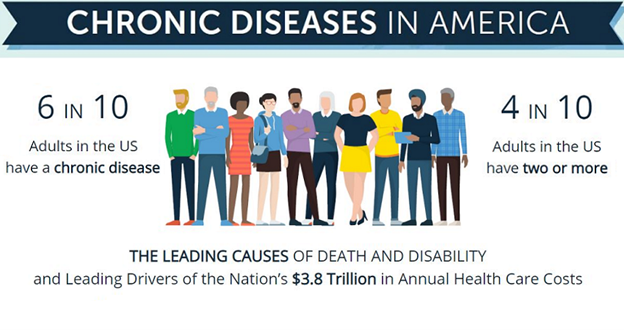
Chronic Medical Conditions in the US
The prevalence of chronic medical conditions in the United States is high, with many individuals living with multiple comorbidities. Common chronic conditions include hypertension, diabetes, chronic obstructive pulmonary disease (COPD), and chronic kidney disease. Heart failure is frequently seen in conjunction with these conditions, complicating management and treatment strategies.
Heart Failure and Hospital Admissions
Heart failure is one of the most common reasons for hospital admissions and readmissions. According to the American Heart Association, heart failure accounts for more than 1 million hospitalizations annually in the US. It is a leading cause of 30-day hospital readmissions, which poses significant challenges for healthcare providers and highlights the need for effective management strategies to reduce these rates.
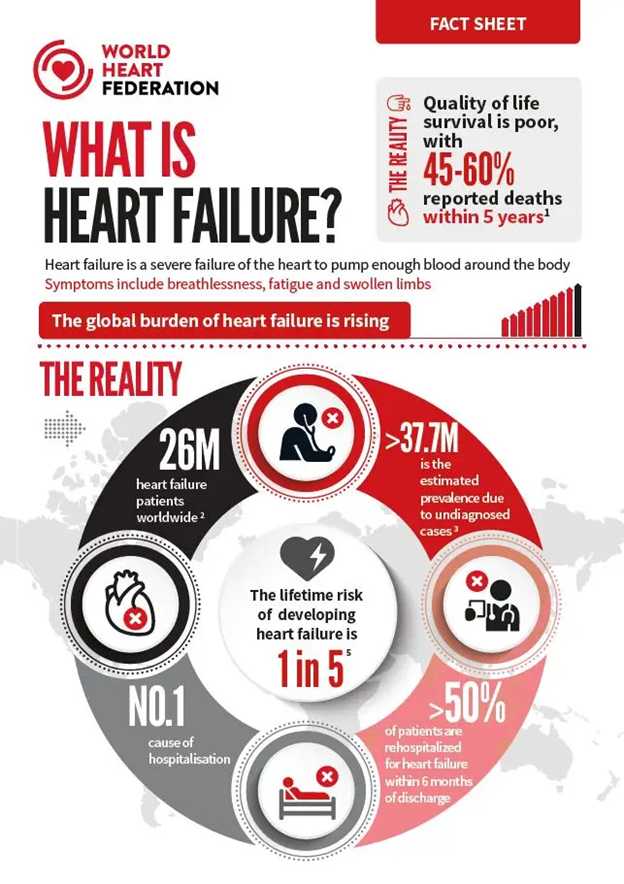
Contribution of Frailty
Frailty is a common condition among older adults characterized by decreased strength, endurance, and physiological function, increasing an individual’s vulnerability to adverse health outcomes. Frailty and heart failure often coexist, with each condition exacerbating the other. Patients with heart failure who are also frail are at higher risk for hospitalization, readmission, and mortality.
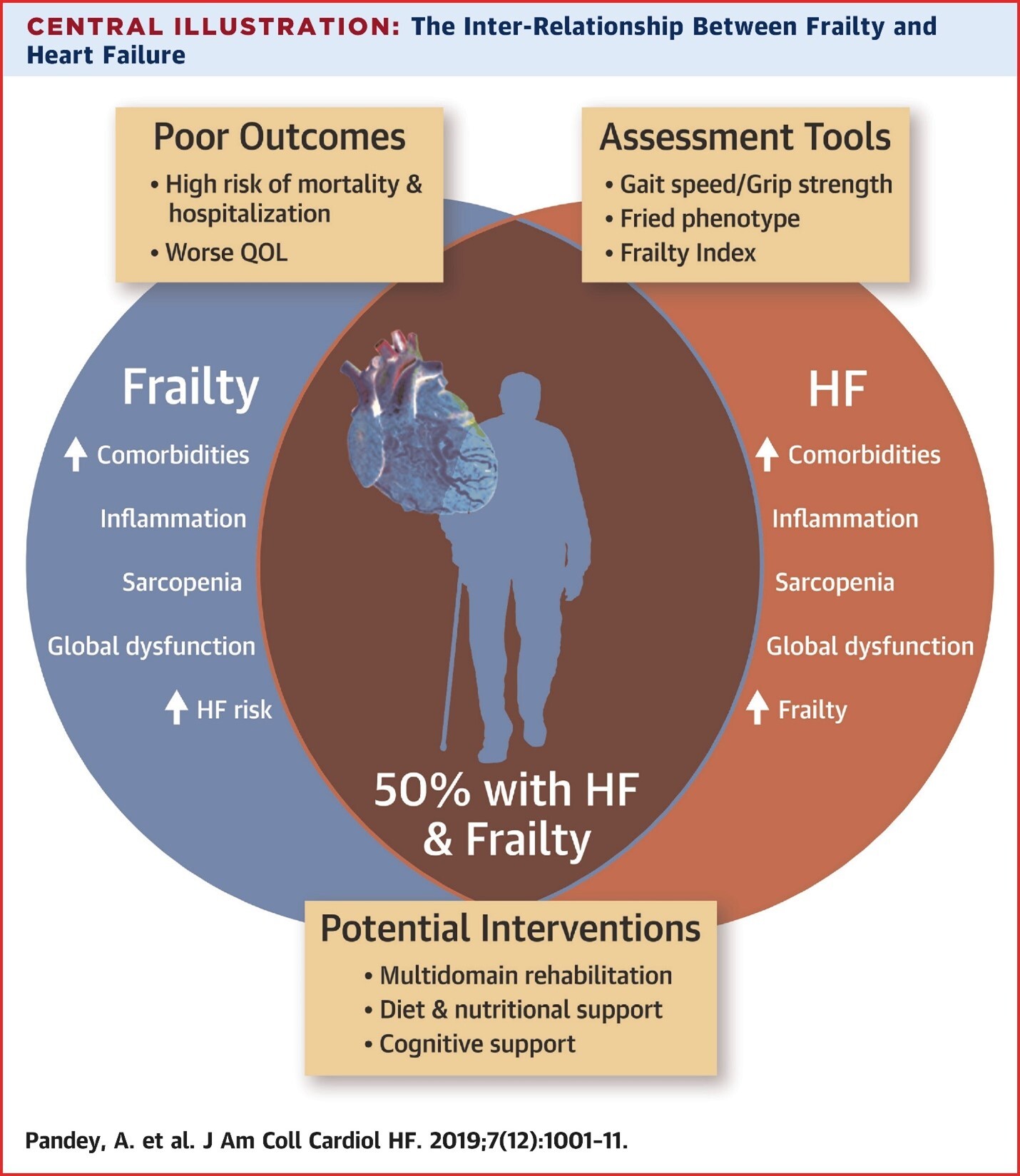
Relationship Between Heart Failure and Frailty
The relationship between heart failure and frailty is complex and bidirectional. Heart failure can lead to physical deconditioning and muscle wasting, contributing to frailty. Conversely, frailty can worsen heart failure symptoms and outcomes by reducing the body’s ability to respond to physiological stress. Therefore, addressing frailty is a critical component of heart failure management.
High-Intensity Interval Training (HIIT) for Heart Failure
High-intensity interval training (HIIT) has emerged as an effective exercise intervention for patients with heart failure. HIIT involves short bursts of intense exercise followed by periods of rest or low-intensity exercise. This type of training has been shown to provide significant benefits for heart failure patients, including improvements in exercise capacity, cardiovascular function, and overall quality of life.
Physiologic Improvements with HIIT
Research indicates that HIIT can lead to several physiological improvements in individuals with heart failure, including:
- Enhanced Cardiovascular Function: HIIT can improve cardiac output and reduce left ventricular remodeling, leading to better heart function.
- Increased Exercise Capacity: Patients often experience improvements in peak oxygen uptake (VO2 peak), a key indicator of cardiovascular fitness.
- Improved Muscle Strength and Endurance: HIIT helps counteract muscle wasting and improves overall muscle strength and endurance.
- Better Glycemic Control: HIIT can improve insulin sensitivity and glycemic control, which is particularly beneficial for heart failure patients with diabetes.
- Reduced Symptoms and Improved Quality of Life: Many patients report reduced symptoms of heart failure, such as shortness of breath and fatigue, and an overall improvement in quality of life.
Managing heart failure requires a multifaceted approach that includes medical treatment, lifestyle changes, and rehabilitation. Physical therapy, particularly high-intensity interval training, significantly benefits heart failure patients by improving cardiovascular function, exercise capacity, and overall quality of life. As the prevalence of heart failure continues to rise, incorporating effective rehab and physical therapy strategies into standard care practices will be essential in reducing hospital admissions and improving patient outcomes.
To learn more, join me during my Summit Live Webinar, Effective Strategies for Patients with Heart Failure, on August 14, 2024. This interactive course will cover exercise safety, education, health literacy, and medication management.
Explore online continuing education courses from Angela below:
Visit summit-education.com for more information.