


John Jowers, PT, DPT, SCS, CSCS Most of us in healthcare are familiar with osteoporosis and osteopenia, however, we likely haven’t been exposed to the term “ sarcopenia ” or know what the condition is. Sarcopenia is the same as osteopenia but for muscles; it’s the natural, age-related loss of muscle mass. This is different than “muscle atrophy“ which is used to describe muscle wasting or thinning due to disuse and inactivity.
 Most of us in healthcare are familiar with osteoporosis and osteopenia, however, we likely haven’t been exposed to the term “sarcopenia” or know what the condition is. Sarcopenia is the same as osteopenia but for muscles; it’s the natural, age-related loss of muscle mass. This is different than “muscle atrophy“ which is used to describe muscle wasting or thinning due to disuse and inactivity. In the case of sarcopenia, muscle loss occurs throughout one’s life, whether active or inactive.
As you can tell, sarcopenia affects everyone, and just like bone density changes, it affects some more than others. Similarly, everyone can treat and work to prevent the effects of sarcopenia through conservative measures. The most effective course of action is combining progressive strengthening exercises with counseling on proper nutrition. Healthcare providers have a great opportunity to make a difference in their community by implementing some of these measures. Most providers would (understandably) say there isn’t time during treatment sessions to address sarcopenia completely. At the minimum, educating patients on the condition and the fundamental exercises will at least plant the seed in their heads. That seed will hopefully grow into taking more action.
The most fundamental exercises target large muscle groups and will get you the most bang for your buck because they’re compound lifts. We certainly do not utilize these exercises to their potential benefit – they could easily be your superpower as a healthcare provider. Four of the most fundamental exercises for combatting sarcopenia include:
- Dumbbell squat
- Dumbbell pectoral bench press
- Barbell deadlift (see video below)
- Dumbbell bent-over row
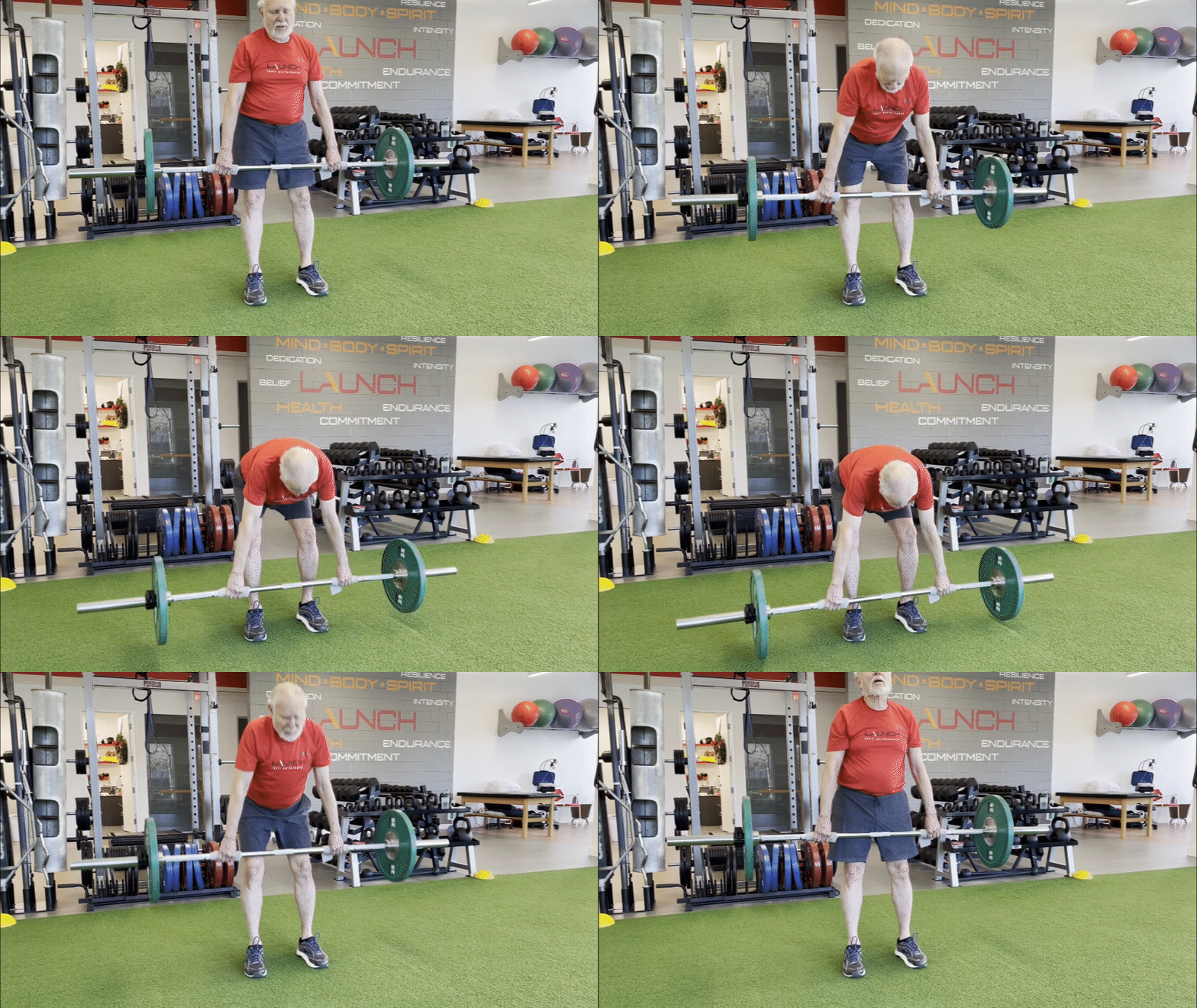
Though these are fundamental exercises, there are variations of them that providers need to be aware of because of the need for modifications based on patients’ ability levels, balance, and history of exercise. Consider incorporating these fundamental exercises into your patient education. To learn more about sarcopenia, how to assess for it, and how to thoroughly treat it, attend my upcoming Summit Live Webinar on April 17th, Sarcopenia Treatment and Prevention. If you can’t attend, you can watch the On-Demand version at any time here.
Visit summit-education.com for more information.