


You’ve probably heard lots of claims from various companies and purveyors of therapeutic interventions that go something like, “Change your brain, change your life!” and might purport to fix everything from a hangnail to cancer through neuroplasticity. While the brain is absolutely capable of change that CAN be life changing, not everything you hear about neuroplasticity is accurate.
Written by the Debra Johnson MS, OTR/L

Neuroplasticity is one of those buzzwords that gets thrown around a lot, especially when talking about child development, learning, and behavior change. You’ve probably heard lots of claims from various companies and purveyors of therapeutic interventions that go something like, “Change your brain, change your life!” and might purport to fix everything from a hangnail to cancer through neuroplasticity. While the brain is absolutely capable of change that CAN be life changing, not everything you hear about neuroplasticity is accurate.
As therapists working with neurodiverse children, and even adults, it’s important that we be able to parse out fact from fiction and discern evidenced based practice from snake-oil like sales pitches. Not only to guide our interventions but to help our clients and their families make the best choices for themselves. So let’s clear up a few common myths about neuroplasticity.
Myth #1: Neuroplasticity only happens in childhood.
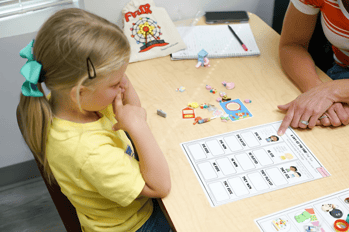
The truth: Children do experience rapid brain development, but neuroplasticity happens across the lifespan. Adults can also rewire their brains—we just might need more repetition and practice. This is great news because it means all brains are capable of learning and growing at any age.
Myth #2: Neuroplasticity is always a good thing.
The truth: Neuroplasticity is neutral—it simply means the brain can change based on experience. But that change can go in either direction. For example, if a child repeatedly experiences stress or trauma, the brain may wire in ways that make them more reactive or anxious. The flip side is that healing, regulation, and connection can also reshape the brain in positive ways.
Myth #3: Neuroplasticity can happen quickly.
The truth: Real change takes time. While those “aha!” moments can feel magical, meaningful brain rewiring happens with repetition, consistency, and experience. Think of it like creating a new walking path in a forest—it takes time to wear down a new trail.
Myth #4: You can rewire the brain with positive thinking alone.
The truth: While mindset plays a role, neuroplastic change is most powerful when it involves action and sensory experience. This is especially true for kids but true for all of us, across our lifespan. It is experience that makes the difference: how we move, play, feel, connect, and engage with the world around us.
Myth #5: Neuroplasticity means anything is possible.
The truth: While the brain is incredibly adaptive, it’s not limitless. Every child is unique, and neuroplasticity doesn’t mean we can change everything. But it does mean that with the right supports, environment, and relational experiences, real growth and progress are possible—even in small, meaningful ways.

Why This Matters for Therapists
When we understand how the brain really works, we shift from “fixing deficits” to supporting development. We start to see how small changes to activities and engagement can result in positive changes in the brain and big changes in functional outcomes. We understand that effecting change doesn’t require having access to high tech equipment, using elaborate protocols or paying a fortune for a specific “canned intervention.” Following general principles of neuroplasticity we can help our clients make changes everyday – using common activities that support whole brain development.
Debra’s Upcoming Live Webinar CE Courses:
May 3rd: 9:00am-4:00PM EST