Dual-Task Intervention in Complex Neurological Conditions
CE Information
4.5/5
798 Ratings , 152 Reviews
CE Information
Select a Format
Select Length
Highlights
- Examine complex neurological conditions that impact multiple areas of the central nervous system, brain, and spinal cord causing varied symptoms
- Application of evidence-based practice guidelines for the use of dual tasking as an intervention to provide neuroplasticity and recovery for people living with neurological conditions
Summit Subscriber? Log in to add this course.
Additional Information
- Course Description
- Learning Objectives
- Outline
- Instructor Bio & Disclosures
- CE Credits
- FAQs
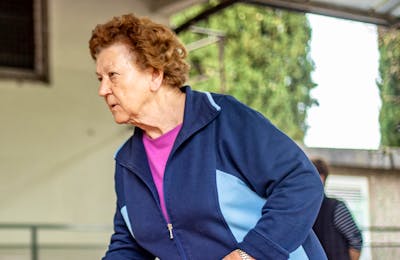
Dual tasking is the capacity to perform a second task simultaneously and is incorporated into many activities of daily living (ADLs). The ability to perform gait and balance tasks requires cognition tasks of attention, processing speed, andmemory. The deficits in central sensory integration and cognitive-motor interference (CMI) can result in both impaired postural control and performance decrement to either the motor or cognitive task performed. It is believed that motorand cognitive impairments lead to a higher incidence of falls during ADLs in the neurologically impaired population5 as well as a decline in quality of life. Traditional strengthening and coordination exercises performed during therapy may not adequately prepare the person for thesecomplex conditions to return to community living which is steep in tasks requiring dual tasking. Dual-task training has been proven to enhance neuroplasticity and balance in neurological diseases. This course will provide evidence- based practice guidelines for the use of dual-tasking as an intervention for patients living with neurological diseases or conditions.
Target Audience: Physical Therapists, Physical Therapist Assistants, Occupational Therapists, Occupational Therapy Assistants, Athletic Trainers
Highlights
- Examine complex neurological conditions that impact multiple areas of the central nervous system, brain, and spinal cord causing varied symptoms
- Application of evidence-based practice guidelines for the use of dual tasking as an intervention to provide neuroplasticity and recovery for people living with neurological conditions

Other therapists also liked...
Reviews
5/5
Keith (LA) on Mar 30, 2026
it was a great course
4/5
Lauren (NY) on Mar 18, 2026
overall good course
3/5
Marika (CA) on Mar 11, 2026
the audio was tough since throughout the presentation, you can hear the presenter's dog in the background whining, moving and sometimes barking.
4/5
Theresa (IL) on Jan 29, 2026
instructor said um to many times
5/5
Brenda (TX) on Jan 22, 2026
great videos
4/5
Joy (KY) on Jan 15, 2026
loved the focus on practical treatment examples and appropriate assessment tools to use for this population
5/5
Wade (WI) on Dec 19, 2025
presenter was very knowledgeable and for someone relatively new to the topic she covered a lot of material. presenter's first hand knowledge of research regarding material was appreciated as well.
5/5
Amanda (SC) on Dec 15, 2025
i loved all the videos explaining the assessment tools and intervention strategies.
5/5
Anne (IL) on Dec 11, 2025
really good course, so much information, almost could have been longer.
4/5
Brian (TX) on Nov 22, 2025
everything was fine. the presenter seemed likeable and knowledgeable . the only issue i had was with her vocal fry. this, however, is just a personal pet peeve and did not take away from the overall subject matter.
Unlock Unlimited CE Courses with Summit Subscription
Pick Your Plan & Sign Up Today!
THE npte podcast
THE npte podcast
Your go-to source for expert tips, exam strategy, and motivation — all hosted by Dr. Crane.
Listen Now
PT & OT Connection Podcast

PT & OT Connection Podcast
Tune in for engaging discussions on important topics to you and your patients.
Listen Now
Copyright © 2026 Summit Professional Education, LLC. All Rights Reserved. | Privacy Policy | Subscription Terms | Summit W-9